Sciences
IGCSE Coordinated & Combined
IGCSE Sciences give students a strong foundation in Biology, Chemistry, and Physics through a balanced mix of theory, application, and practical skills. Students can follow either:
Combined (Double Award): covering all three sciences in an integrated way, leading to two IGCSE grades.
Coordinated / Separate (Triple Award): offering more depth in each subject, leading to three separate IGCSEs (one for Biology, one for Chemistry, and one for Physics).
At LXMATH, we make science engaging, clear, and rigorous. Our approach blends personalized tutoring, experimental simulations, and structured exam preparation, giving students the tools to achieve excellence in their IGCSEs
pedagogical resources
We teach IGCSE Sciences with clarity and innovation
Our lessons combine theory, practice, and inquiry-based learning, ensuring that students understand key concepts while mastering exam techniques.
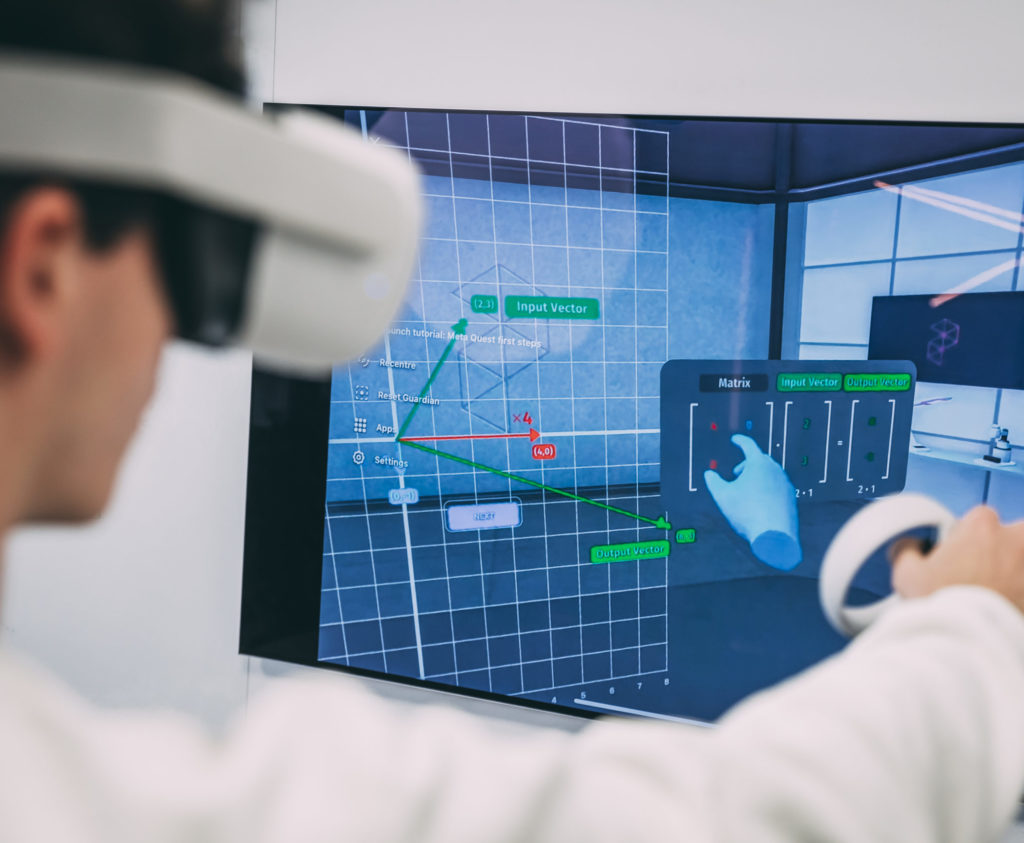
Virtual Reality
Graphic Simulators
Advanced Problem Sets
services we offer in
Mathematics: Applications and Interpretation
1
Tutoring
Focused lessons in Biology, Chemistry, and Physics—individually or in an integrated approach. Clarification of theory, worked examples, and practical skill reinforcement.
2
Exam Preparation
Structured past-paper practice, mock exams, and exam-scheme training. Emphasis on scientific command terms, data analysis, and lab-based exam questions.
3
Mentoring
Continuous academic guidance with regular progress tracking. Development of scientific study strategies, time management, and support for transition into IB or A-Level sciences.
4
Customized Solutions
Tailored learning plans—whether to build confidence in Combined Science or to push for top grades in the Triple Award route. Includes IA-style project support if preparing for further IB sciences.
curriculumn of
IGCSE Science
Our tutors are highly skilled in teaching Sciences with deep expertise in the IGCSE curriculum and extensive experience in the full range of topics covered in the course.
Biology (Core / Extended)
Cell structure and function
Movement in/out of cells
Nutrition and transport in plants and humans
Respiration and excretion
Coordination and response
Reproduction and genetics
Ecology and ecosystems
Chemistry (Core / Extended)
States of matter and atomic structure
The periodic table and bonding
Stoichiometry and chemical reactions
Acids, bases, and salts
Metals, reactivity, and extraction
Organic chemistry fundamentals
Experimental techniques and data analysis
Physics (Core / Extended)
Motion, forces, and energy
Thermal physics
Waves (sound, light, electromagnetic spectrum)
Electricity and magnetism
Atomic and nuclear physics
Practical investigations and experimental design